
Blog

  • Why the face you see in the mirror may be irrelevant

    Why the face you see in the mirror may be irrelevant

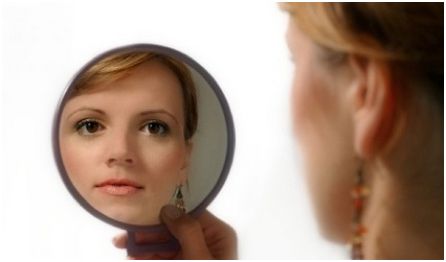
    face in the mirrorLet me begin by saying I’m not in any way a psychologist (although I do have a fairly meaningless diploma in ‘success’ coaching which covers some of the basics of NLP etc.,) but this is something I’ve been considering for some time and thought I’d note it down in blog form.

    Most of us hate seeing photos of ourselves, and video can be even worse. The main reason for this is that the main source for our self perception is our reflection. This is flawed on two counts. First of course, it’s a reflection – in other words a ‘flipped’ image, and secondly no matter what we try we only ever see one view of our face because the moment we begin to look away we lose the vision.

    We’ve learned to live with that face – for good or for bad. It’s been familiar to us since we were small children and it’s even shaped how we react to others based on how we feel about that image.

    Seeing ourselves in photos or video can either strengthen our self-esteem, or shatter it depending on how it conforms with our self-view. Unfortunately however seeing ourselves in photos and to a certain extent video is still only a flat 2D representation of what the rest of the world sees.

    Surprisingly though, what others see almost certainly goes beyond visual, and I believe reveals some interesting additional senses at play that can have an impact on our success in all areas of our lives.

    Everybody who has ever met you has created a highly complex 3D impression of what you look like. On a subconscious level their eyes have mapped your physical shape and the nuances of your face. This ‘data’ is then stored for future recognition along with ‘notes’ on any specific features that may be used to instantly recognise us from others with similar facial patterns. These ‘notes’ can even help us to recognise someone years after we last saw them. How many times have you comes across an old school friend who you haven’t seen for, say twenty years, and yet despite the ravages of time, gravity and KFC abuse their salient features are still there and within moments we realise who it is. At this point as well our stored data is updated so that the next time we see them the recognition is instantaneous.

    This alone is an amazing feat and a primary ability that has no doubt been with us since the dawn of our ancestors, but I believe there is a further trick that our brains pull off – and one that has far-reaching implications.

    I believe therefore that those that like us, or even love us, go through a mental process of suppressing the facets of our physical look that may otherwise be unattractive and accentuate the facets that are. Even when they look at a 2D photo of us their brain slots that image into the 3D representation and ignores anything in that photo that may be unattractive. That’s why we can see it as someone else – as we have no 3D representation to replace it, and can’t understand why our family and friends still see it as us. It’s impossible for them to see a 2D image as their stored data is three-dimensional.

    Some of us are born with looks that are instantly appealing to a large proportion of our peers. Most of us are born with looks that will be instantly appealing to some. Some of us are born with looks that are not instantly appealing to most – yet, despite that seem to be able to achieve attraction. It’s also fair to say that attraction can be affected by culture. For example in some third world cultures obesity can be seen as desirable because the chances are that individual either has plenty of food reserves, and it’s dependents and descendants will want for little, or in times of little they could live longer than most on their fat reserves, and therefore care for their family. So, as the old adage goes, beauty is truly in the eye of the beholder. Beauty, is a mental construct and as Derren Brown and those familiar with the practice of neuro-linguistic programming (NLP) know, the brain can be programmed.

    This ability to override visual senses or cultural beliefs can be starkly seen when other factors come in to play. Factors that harken back to the basest instincts of survival.

    We have all seen people who we believe to be largely unattractive with incomparably attractive partners. Out of hand we scratch our heads as to what that individual ‘sees in him or her’. But what we are doing is judging with our visual sense alone and what we are unaware of are factors at play that have enabled their partner to re-programme their definition of attraction. One crude example is wealth. In a world where wealth can guarantee a successful life for offspring, re-programming our perception of attraction could be a small price to pay. Less crude examples may be areas that hold particular strengths for the partner such as kindness, intellect, humour, or even resemblance to an individual that was important in the partners past – such as a parent.

    Once one accepts that the perception of attraction can be adjusted and re-programmed, we can begin to consider how that can be applied in our everyday lives. For example, if contemporary culture favours a particular style of clothing, dressing of hair, make-up, beard growth, or even stance – then emulating this instantly gives us a tick in the box. And of course, that’s exactly why the fashion and cosmetics industry thrives.

    As building strong relationships in business is universally accepted as vital, being attractive to our clients (either visually or through one of the other factors mentioned above) is worth giving serious consideration. As in any social situation (which a business meeting is), conformity will work over non-conformity almost every time. We all like to think there’s something of the rebel in us, but if we’re trying to win business, it’s probably best to leave it to the weekends. Of course there are situations where stepping outside the box so to speak wins business, but before taking that risk make sure it’s seriously calculated!

    So, dress to impress and smile to beguile. Think happy thoughts as positivity is hugely attractive and take every opportunity to leave a lasting impression. If you can leave the client with a 3D representation embellished with at least one other noteworthy attraction the chance of that relationship extending beyond the initial meeting are substantially increased.

  • My Top Tips for Managing Twitter Accounts

    My Top Tips for Managing Twitter Accounts

    Twitter was born in March 2006 and launched to the world in July of that year. I’ve been a daily Tweeter since April 2007 – just after it’s big launch at SXSW when it really started to capture the public’s imagination.

    Over that time I’ve built up a sizeable following and people often ask me how I manage to keep a track of my followers. Here are a few tips to help you manage your account.

    Firstly, you need to really decide what you want out of Twitter. If you’re an individual you may simply want to keep in touch with a circle of friends and acquaintances, occasionally adding a few more into your network. If you’re a business or Tweeting on behalf of a brand, then creating a sizeable channel of potential and existing customers may be your goal instead. Either of these are perfectly valid reasons for having a Twitter account of course, but the way that you manage your account will probably be different in both these examples.

    In my case I have my own personal account – @Rokkster, but my business also has its own account too (@RokkMedia). The waters are muddied slightly because although @Rokkster is my personal account I often touch on my work and so I have to be conscious that anything I say in that account is likely to reflect on my businesses. That’s not an issue for me, but it may be for others. Just something to bear in mind.

    Tip #1 – Don’t be afraid to follow back.

    Many people I know are cautious about following back too many people for fear of creating an unwieldy stream. This is a genuine concern. The most that can be followed realistically is about 150-200. So how do I manage 17,500+ followers?

    The answer is in LISTS. Twitter has provided the ability to create lists for a long time now and although most people don’t use them it is probably the most powerful feature in Twitter (Google+ and Facebook offer similar features too).

    In my case for example, I have two key lists – one for people who have engaged with me at some point and one for people who I want to keep an eye on their tweets, but haven’t engaged with me (not a crime and not to be expected for global brands, celebrities, or information ‘tweet-casters’ like news accounts).

    Other people create specialist lists such as people in their industry, tweeters in their local area, celebrities, political groups etc. There’s no right or wrong here and you can literally create hundreds of lists if you wish.

    My lists are private, i.e. the membership is not visible to the public. This is just a personal decision however and depending on what you create lists for – there’s no reason normally to not make them public.

    In this way I am able to monitor about 2-300 people on a daily basis in my ‘engagement’ list and only miss occasional tweets. Alternatively messages in my main stream change every second and even tweets from people who are of interest to me are gone before I have a chance to read them.

    How you monitor these lists is easier or harder depending on what application you are using. Twitter’s official website and mobile application, for example, require you to dig through your profile before you can view your lists. If you use these primarily therefore you are unlikely to keep a regular check on your lists.

    I use Hootsuite on my computer, Tweetbot (iPhone only) and Twitter (iOS or Android) on everything for monitoring my lists (Twitter’s mobile app or website is not great for managing lists but their desktop app works well enough. It’s also very useful for seeing recent followings to follow them back). Hootsuite allows me to create columns and position them where I want – so my lists are usually placed ahead of everything else. Tweetbot allows me to replace the main stream with a list of my choice.

    I also SWITCH OFF my main stream as the speed that tweets come and go renders this useless.

    Sadly, this does mean that I am undoubtedly missing out on some fantastic tweets, but that’s unavoidable.

    If you have anything over 500 followers and are avoiding following any more people for fear of drowning in tweets then this is the solution for you.

    I recently attended an entrepreneur’s conference in London where a well known brand owner gave a passionate keynote on using social media. Everything he said was great advice and he pleaded with the business people there to work on their social media accounts for the betterment of their businesses.

    However, when I looked at his account I noticed that he had about 5400 followers but was only following back 350. That’s less than 10%! To me as a potential follower that said that he was unlikely to ever engage with me – and to the 5050 followers he hadn’t followed back that he probably didn’t care about them much either. Now, I’m sure that wasn’t the case and in fact he made a big point of saying that he always replied to tweets (although to date he hasn’t replied to mine!) – but perception is everything and to his unfollowed followers that can’t ring true.

    The solution though is simple. Follow those who follow you (within reason – see next tip), and place those you want to follow on a regular basis in to lists. Job done. The ROI for his brand in doing this would be increased loyalty which undoubtedly will lead to direct business too.

    Tip #2: That Said – Be Selective

    Having urged you to follow back I would still urge you to be selective whith whom you follow. Twitter unfortunately is now groaning under the weight of spammers (and worse), and no matter whether you are exposed to those tweets or not, none of us want to encourage them. So here is the fltering process I go through before I follow anybody back:

    1. Are they using a photo/image in their avatar – or is it the ‘Twitter Egg’? I don’t care particularly if it’s a real photo, a logo, or anything else – but if it’s an egg this is a pretty good indicator of a spam account (but not always). Chance of not being followed: 1/5

    2. Is there a bio? If there is no bio or description of the Twitterer that can also be an indication of a spam account (these people create thousands of accounts, mostly using automated software, which are used to tweet spam messages).  Chance of not being followed: 1/5

    3. Bio exists but it describes the objectives of a typical spammer. An example would be: ‘I’m a stay-at-home mom making thousands a week’. That one would be quickly passed over. Chance of not being followed: 5/5

    4. Check last few tweets (up to 10). I’m looking here for some level of engagement or personal insight. If I only see quotes (e.g. ‘Be true to yourself and others will believe in your truth’) – that’s a very strong indicator that the account is an automated spam account looking to build a following before releasing it’s spammy messages! If I only see other people’s Tweets re-Tweeted, that isn’t a definite no-no but if those RT’s are spam-like messages then that is. If those RTs are pertinent to that account (for example the @RokkMedia account largely tweets mobile app related news), that may still be OK – if I’m interested in that information. In those cases I am more likely to add the account to one of my other lists. Chance of not being followed: 2/5

    5. Abusive or obnoxious views. We all have off-days and when things wind us up Twitter can be a good place to let off steam – but if I am seeing constant expletives and venomous messages there is no way I’m going to follow. Chance of not being followed 4/5

    This process is purely for those who have followed me first. If I engage with someone on Twitter or in ‘real life’ then of course none of this applies and I will simply follow and add to one of my lists.

    The final point I want to make concerns when to unfollow. Personally, unless you start spamming me there are few occasions when I will unfollow beacuse of my filtered list system. I have previously written a post covering my reasons why which you can read here. 

  • First thoughts on the new Apple Watch

    First thoughts on the new Apple Watch

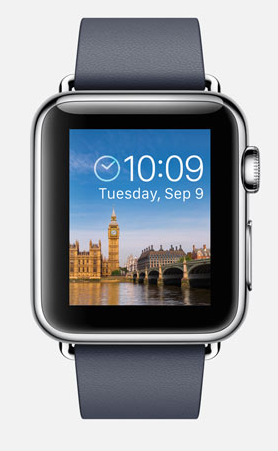
    Apple WatchApple revealed the much rumoured Apple Watch at their Cupertino keynote on September 9th. I previously predicted that they would use this device to start dropping the ‘i’ from their device names and I also expect future phones, tablets, computers and software to gradually become ‘i’-less too. Calling everything ‘Apple X’ makes far more sense from a brand recognition perspective and also significantly reduces their need to sue every ‘i’ product that someone else releases – which must cost them a fortune.

    I’m going to go straight out there and say that unlike pretty much every previous keynote from Apple (at least since 2007), I feel unable to make a purchasing decision based on what I’ve seen before I physically handle the watch and indeed the new ‘super-sized’ iPhone 6 and 6+ (+? Not a lot of thought went into that did it!).

    What I can say though is that my first impressions are that the watch may not be the game-changer that we were hoping for.

    iPod Nano
    One from the archives: Apple’s discontinued iPod Nano also worked as a watch when coupled with third party straps. Surprisingly similar to look at – some would even say perhaps the Nano had the edge?

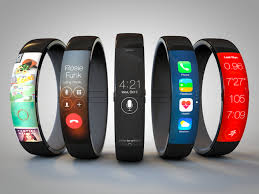
    It’s undoubtedly beautifully engineered and constructed – from an engineer’s perspective, but as a consumer I wanted to see different, future, uniquely Apple – in the way the original iPhone was. Let’s face it it’s pretty much a square block of round-edged steel (or aluminium if you go for the Sport version) with a high-res screen and a twiddly dial on the side. My immediate reaction was – oh, they’ve reintroduced the iPod Nano! Maybe that was a conscious decision – where most premium watches, and Android powered smart-watches, are circular. But imagine how much more eye-catching and mould breaking it could have been if the watch face was a much longer and thinner piece that melted into the strap? I can see that they are banking on making a killing from interchangeable straps as they did with phone cases – but as mentioned later I also think that was missing a bigger opportunity.

    applewatchmockup
    How it could have looked. Did Apple dare to ‘be different’ enough with the design of the Apple Watch?

    From a user perspective they have clearly put a lot of thought into how a wearer interacts with the device and this seems to have largely paid off. However Apple made a big play on the way two users can communicate with each other showing a very gimmicky emoji-like 3D smiley face which for me was a clear indication that Ives didn’t have total reign over the software on this watch, as that was almost straight out of the Microsoft Office bag of 80s clipart!

    Not a great deal was said about battery life, although later comments imply a day if you’re lucky with a definite need to charge over night. This could be the one unsurmountable issue for Apple. It’s not untypical for people to surface around 6 in the morning, travel to work and be travelling home from work 10 or 12 hours later at which point the watch could be flat out of juice. For me, I was really looking forward to being able to keep the device on at all times, to monitor sleep patterns for example – but with the ‘mag-safe’ charging device needing to plugged into the rear of the watch, this is looking unlikely. A neat idea – but surely they could have come up with a solution that wouldn’t mean having to take the watch off to charge it? Why not build the battery in as part of the strap so that we can simply add a new strap to extend the watches life while another is sat charging? Apple have had years to design this thing – I’m thinking off the top of my head so I’m baffled as to why these obvious ideas weren’t considered.

    It also looks as if Apple Watch is going to be not a lot more than a watch without being within a few feet of an iPhone (from a 5 to a 6+). I reserve judgement on how useful this makes it until I’ve had a chance to live with one – but I really hope it is more autonomous in function that it appears at first sight.

    One other notable omission, particularly when compared to competitor’s offerings is a headphone socket! OK, if the device is to be joined at the hip with a phone it’s fair to assume that you may not need one – but what about listening to music when out on a run? One of the only reasons for getting one of these is to not have to carry a phone around at the same time. And as it goes music playing was not something that Apple mentioned or demonstrated at all (another tick in the box for the poor old defunct iPod Nano!) and therefore may not be part of its feature set. What if I don’t want to have Siri reply to me out-loud in public (and personally I hate talking to my devices at any time so Siri is useless in my use-case)? I’m sure a blue-tooth enabled headset will cure all ills – but a cleverly designed socket to enable both a device charger that doubled up for a headset with mic would surely have been possible (especially with something as thick as this) – so why leave it out?

    moto360
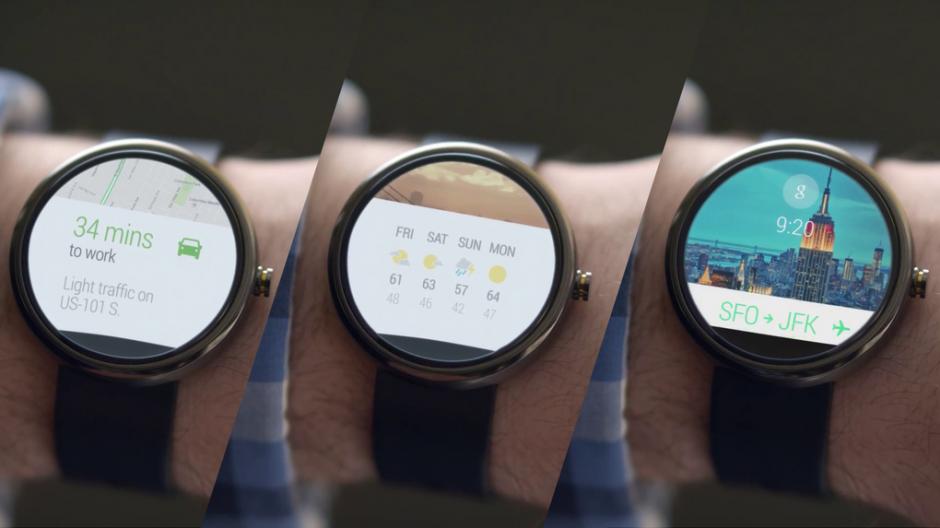
    Shape shifter: Is Apple Watch distinctive enough to better the recent Android smart-watch offerings from Motorola and others?

    Apple are launching with three different versions of the device. The main Apple Watch is constructed from a hefty chunk of stainless steel with a choice of straps and a screen cut from a a single piece of crystal sapphire. The Sport version is constructed from a ‘new blend’ of aluminium which is said to be stronger but lighter than any previous. It has a toughened glass front and only comes with a choice of garish ‘Swatch’ like straps which are apparently more resistant to sweat – but also good taste by the looks. And the final one is a blinged up version of the stainless steel model coated with 18 carat gold which I assume is in the line up to satisfy Asian and Middle-Eastern tastes as there is no other obvious benefit in the line up (the same reason why Apple brought out a gold coloured iPhone). I’m unconvinced that this was the right way to go. Personally I want all the functionality of both the general Apple Watch and the Sports one – without the garish strap and fail to see why they would go to the expense of separating them (different materials require separate construction lines).  Who would have complained if the device was made from aluminium and not steel? All iPhones and iMacs are aluminium – no steel option and sales haven’t suffered! Why is ‘toughened’ glass better than sapphire? I thought that was the toughest material available? Presumably glass is lighter? Not that I’ve heard.

    The new Apple Watch is set for release at some point in early 2015. As there were no working models in Apple’s demonstration area after the keynote it’s fair to assume that this is still very much a work in progress. They probably launched this far ahead of roll-out to try and disrupt the Christmas sales for other manufacturers leaving a clear run-way for Apple Watch. Whether what they demonstrated was good enough to do that remains to be seen. My jury is currently firmly out.

  • How to find the answer to anything

    I still get amazed on an almost daily basis how intelligent people ask others in person or on social media questions that if they’d only typed the same set of words into Google they would have found the result instantly!

    It’s true. By far the biggest tip I can ever give anybody who has a question they need answering is to simply go to Google and type the question as if you were asking a human! Trust me it really works.

    You can use this tip for absolutely anything because Google Inc., have cleverly coded their search engine to interpret the semantics of a question. “What’s on at the movies tonight”, “Who won the world cup in 1966”, “where is the best place to get a suit tailored” – all work. Google also pay big bucks to Twitter and Facebook to collate answers from similar questions in social media too – so you can also get real humans answering your question in a real human way.

    Try it next time you need to know anything and you’ll be amazed that it actually works.
     

  • Review: Battlefield Hardline (beta) and Destiny (alpha) on PS4

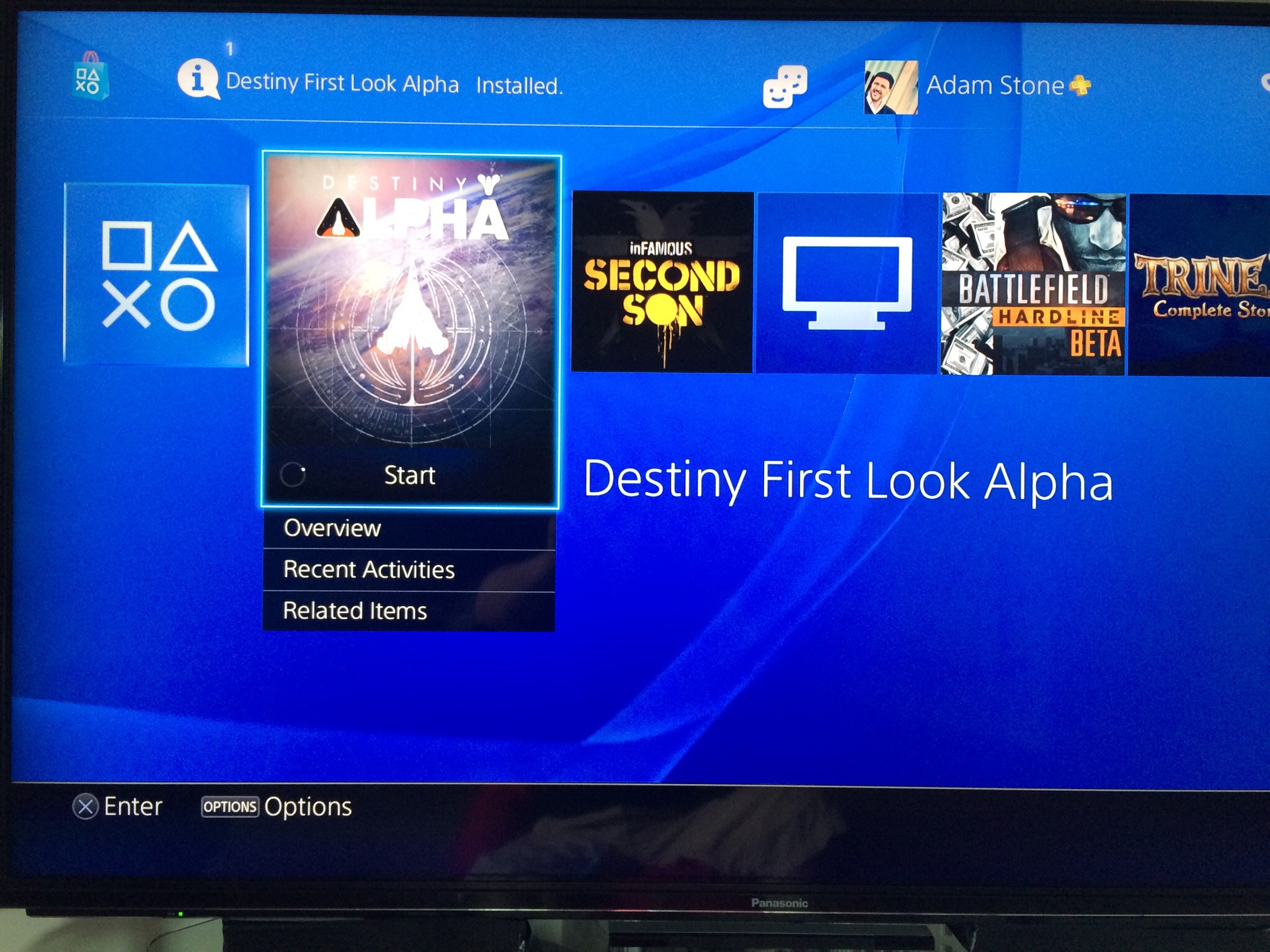
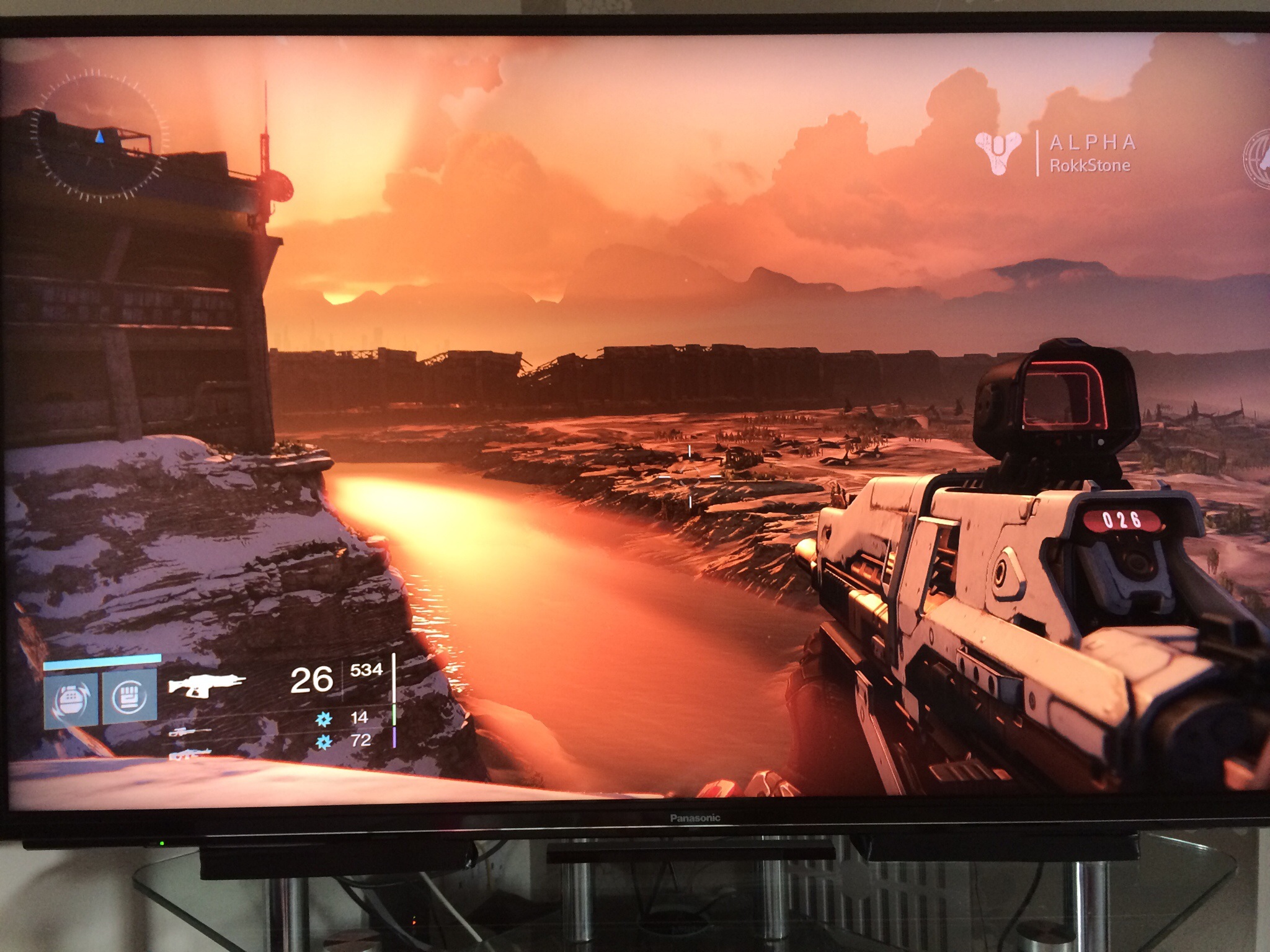
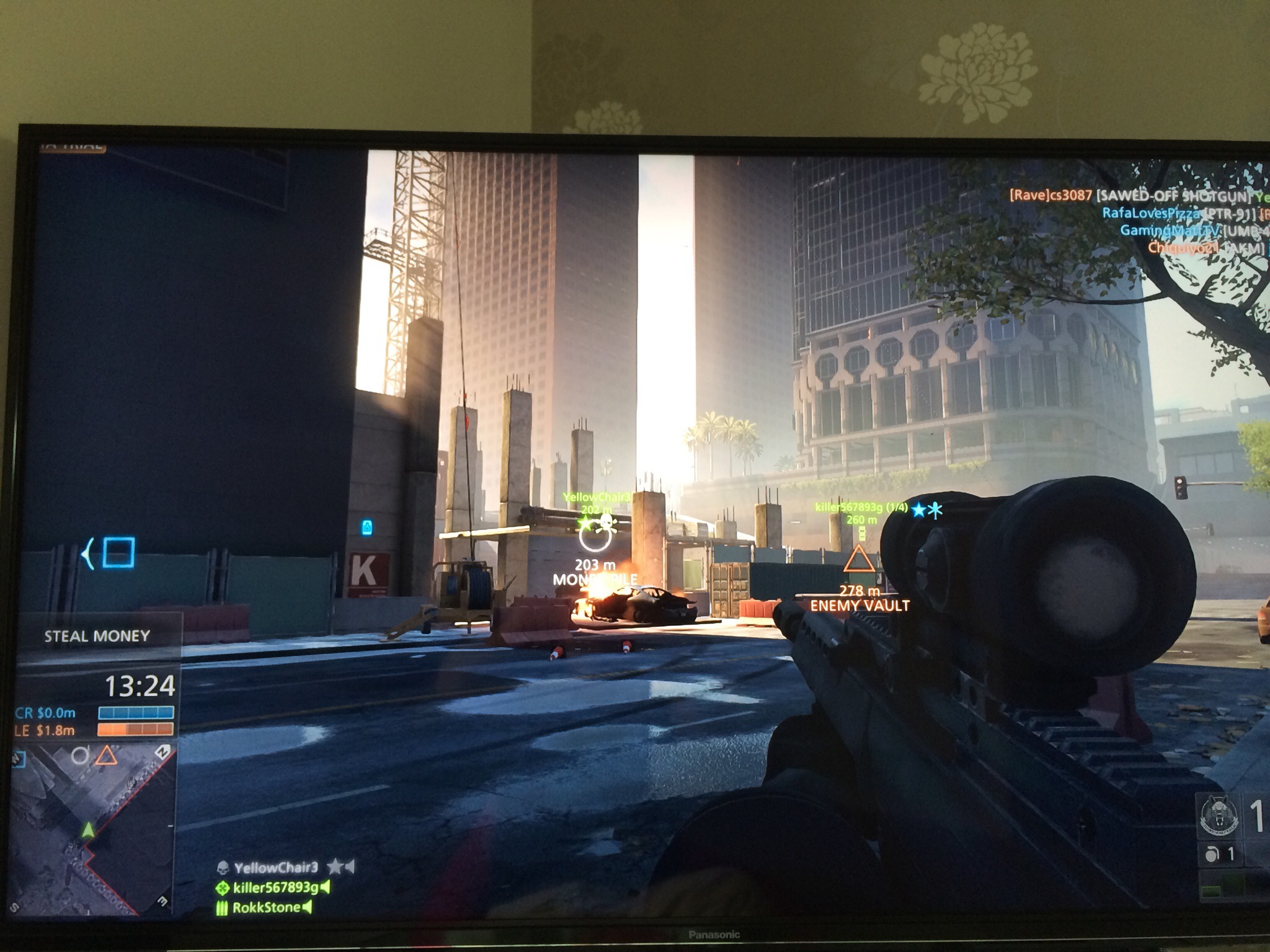
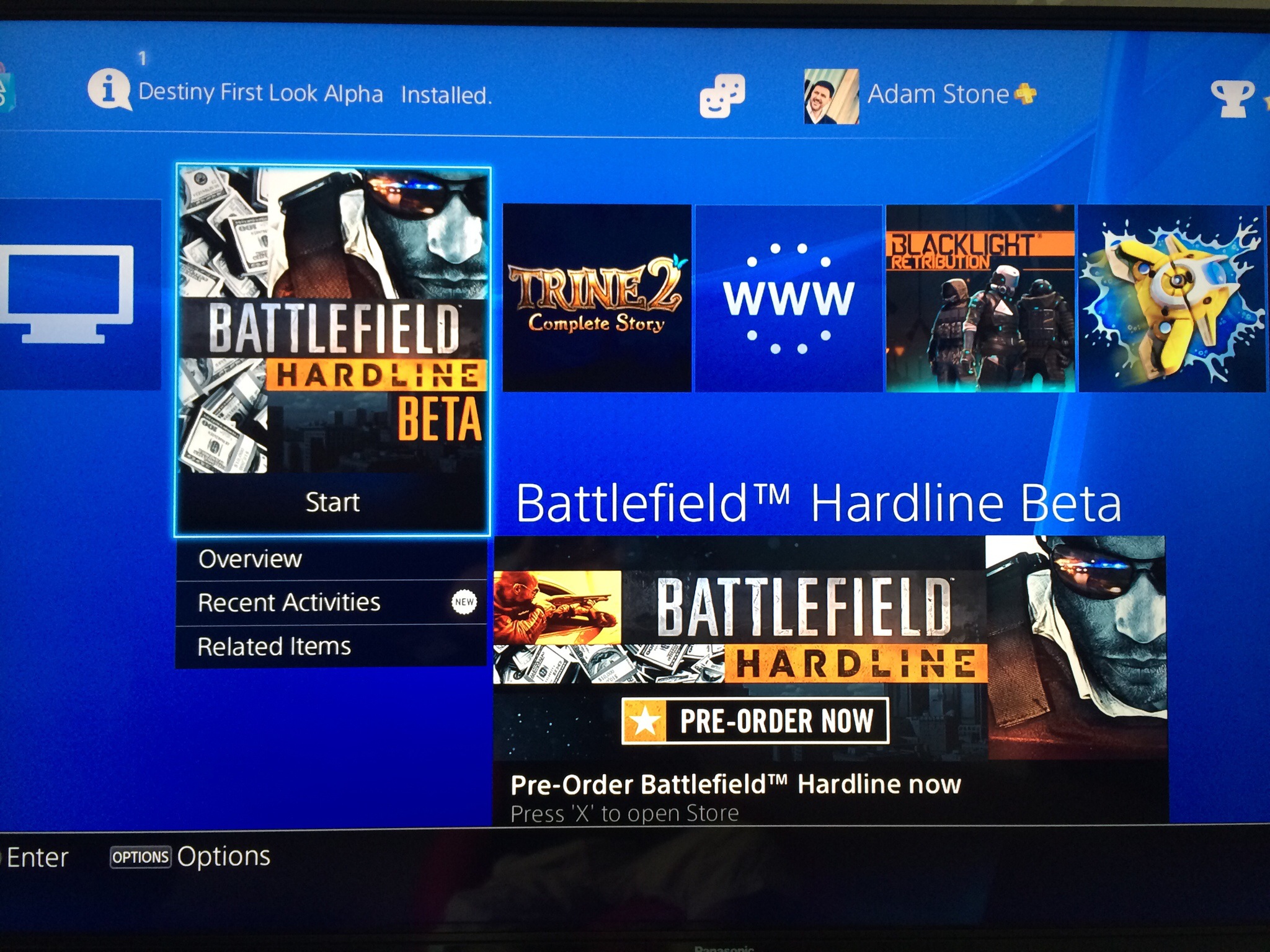
    I’ve been playing the beta of Battlefield Hardline and Bungie’s alpha of their forthcoming MMO Destiny over the weekend (PS4).

    Both are amazing – but the depth to Destiny, given the alpha is a tiny glimpse of what the full game will offer is astonishing. Even solo play/story levels can (and usually do) involve other real-time players and it’s this big investment in social game play which makes it the game equivalent of an ever-lasting gob-stopper.

    Destiny is definitely a keeper (I rent games normally). Can see it lasting for years, literally!

    Good review here: http://observationdeck.io9.com/forward-unto-dawn-impressions-from-the-destiny-alpha-1591028923

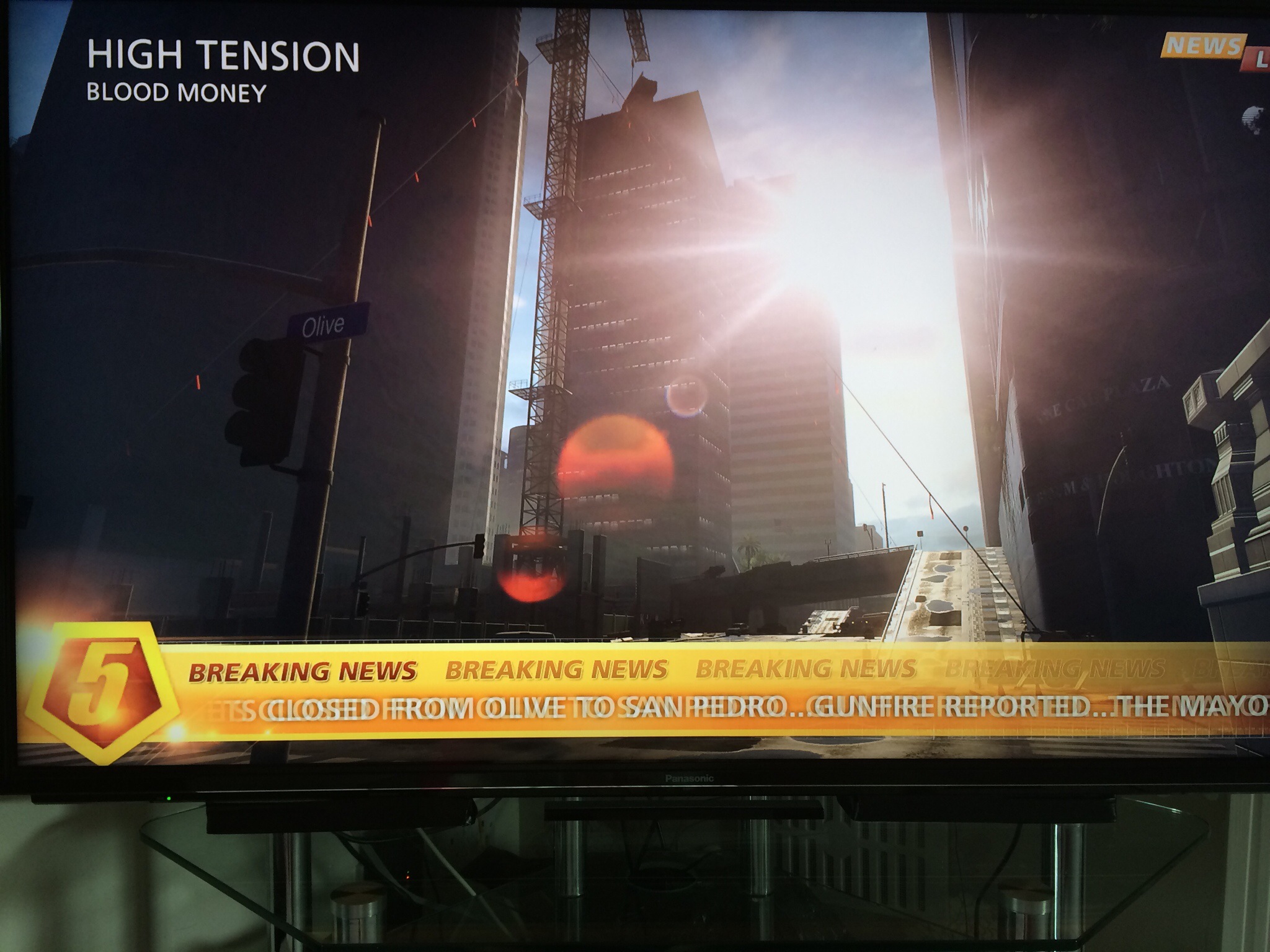
    Battlefield: Hardline is a new spin on the normal war zones scenario of Battlefield. This time it’s cops vs robbers! Set in LA, the beta is only the multiplayer option and restricted to two game types. Reminded me of GTA-V, particularly as that is set in a parody of LA. Much better graphics though – and overall the feel is impressive. Look forward to taking the final game for a spin!
    Forward Unto Dawn – Impressions from the Destiny Alpha
    As announced at Sony’s E3 2014 press conference, the Destiny Alpha opened up for this weekend on PS4. I’ve taken some tentative steps into Old Russia, and come back with a few thoughts on Bungie’s newest Sci-Fi epic. Be Brave, Guardians, and pay attention: This is the part of the story that’s really…
    observationdeck.io9.com
    20140615-185118-67878390.jpg

    20140615-185118-67878990.jpg

    20140615-190045-68445460.jpg

    20140615-190046-68446028.jpg

    20140615-190044-68444301.jpg

    20140615-190044-68444885.jpg

  • Recipe for the longest possible life

    Recipe for the longest possible life

    A recipe for the longest possible life:

    1. Don’t laugh or cry
    2. Don’t visit foreign countries
    3. Don’t shake hands
    4. Don’t kiss
    5. Wear protective clothing at all times
    6. Don’t swim in the ocean
    7. Don’t swim in a pool
    8. Stick to basic foods
    9. Don’t take risks
    10. Keep your thoughts to yourself


    A recipe for the happiest possible life:

    1. Laugh often and make others laugh with you
    2. Cry in sympathy, cry in sorrow, cry in joy
    3. Embrace friends, embrace strangers
    4. Love everyone and be loved
    5. Travel the world and see as much as you can of it
    6. Wear what you want, be who you want
    7. Swim in every sea and bask on every beach
    8. Sample new flavours every day
    9. Take risks without reward
    10. Share your wisdom and treat everyone you meet as a teacher.


    mucky baby

  • WhatsApp – what’s up??

    WhatsApp – what’s up??

    WhatsAppNo matter how hard I look at this, I still can’t see a justification for Facebook paying $16b for WhatsApp.

    The media speculates that it’s to acquire 450 million users, many from emerging countries who aren’t using Facebook at all, but many of them will be (which makes them worthless) and even if all weren’t that would equate to $35 per user, which is a massive acquisition price.

    How can Zuckerberg have stood up in front of the board to justify paying that amount? If the issue really is that in emerging markets more people were using WhatsApp than Facebook, then spend more on promoting Facebook! The cost of running campaigns across all major media in those territories day and night for a year wouldn’t have topped more than $1b with change to CODE WhatsApp from scratch! In any case if Zuckerberg is true to his word, Facebook won’t change WhatsApp – which means those users won’t be exposed to Facebook or its advertisers any day soon. Go figure!

    Putting this into some sort of meaningful context; if you were to combine the gross box-office takings (adjusted to today’s money taking inflation into account) of ALL the 60+ movie back-catalogue from Steven Spielberg (valued at $9b http://www.forbes.com/profile/steven-spielberg) – that includes movie gold such as ET, Indiana Jones, Jurassic Park, Close Encounters, Private Ryan, War Horse, Schindler’s List, etc etc etc., – you would still have only spent HALF the money that was spent on WhatsApp!!!

    Within the hallowed halls of Facebook Towers there is undoubtedly some amazingly sound and considered reason for purchasing WhatsApp Messenger (to give it its full title) – but my suspicion is that history will show this to have been the apex of Silicon Valley folly.


    UPDATE: Meanwhile later that day…

    Following on from the recent purchase of WhatsApp, and my blog post above, Facebook have now released an unbelievable set of financial reports with advertising revenues up 82% on the previous period and regular users now exceeding well over a billion. Over half of Facebook’s revenue is now coming from mobile – that in itself is an astronomical achievement given that just 12 months ago working out how to monetise mobile was seen as Zuckerberg’s biggest challenge.

    To continue the mind blowing figures further, 80% of users are now OUTSIDE North America and this gives us the biggest clue yet as to why WhatsApp was seen as such a valuable prize. In India for example, due to high cost of SMS texting, WhatsApp dominates with the majority of smartphone contract holders using it all the time. On top of this in a recent interview Zuckerberg stated that Facebook was changing tack over previous mobile policy and breaking up the ‘blue app’ into constituent parts (messenging, photos, news etc) whilst at the same time ensuring access across all their mobile assets to the user’s social network – because this had proven to be what users wanted.

    Does that justify the high price tag of WhatsApp? Only time will tell as its value will take some time to truly be seen – but given Facebook’s ongoing success few in the camp are going to stop to question it right now.